10 Rules of Boating Etiquette for a River Cruise
How can you share the waterways with other boaters?
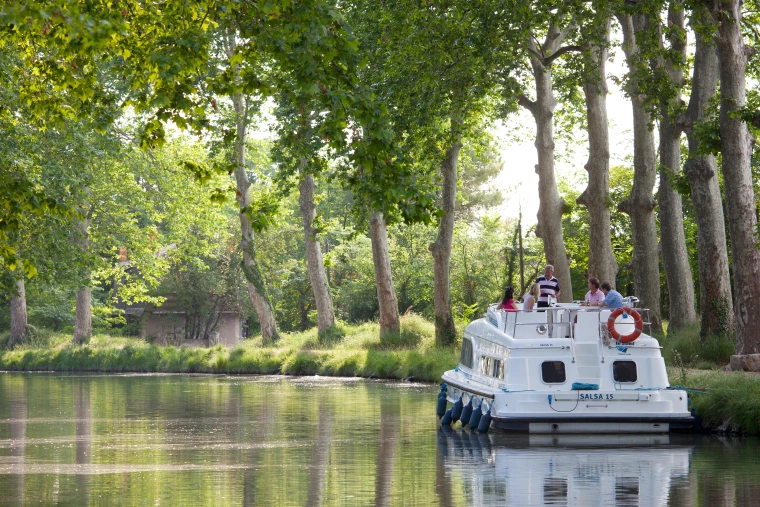
A river cruise is all about slowing down, enjoying nature and meeting fellow boaters along the way. Unlike sailing at sea, inland waterways have a relaxed atmosphere where courtesy and mutual respect make every journey more enjoyable. By following a few simple rules, you'll help create a pleasant experience for everyone, whether you're cruising, passing through locks or stopping for the night.

Why should you slow down when passing another boat?
Whenever two boats pass each other, it's good practice to reduce your speed. This helps minimise your wake, protects the canal banks and prevents moored boats from rocking. It's also a courteous gesture towards other crews, anglers and cyclists using the towpath.
👉 Cruising a little more slowly makes the journey more comfortable for everyone.

Should you greet other boaters?
Absolutely – it's one of the nicest traditions on the waterways. A simple wave or a friendly "hello" is enough. Unlike many other types of holidays, river cruising naturally encourages conversations and shared experiences between crews. These small gestures are part of what makes a licence-free houseboat holiday so enjoyable.
How should you behave at locks?
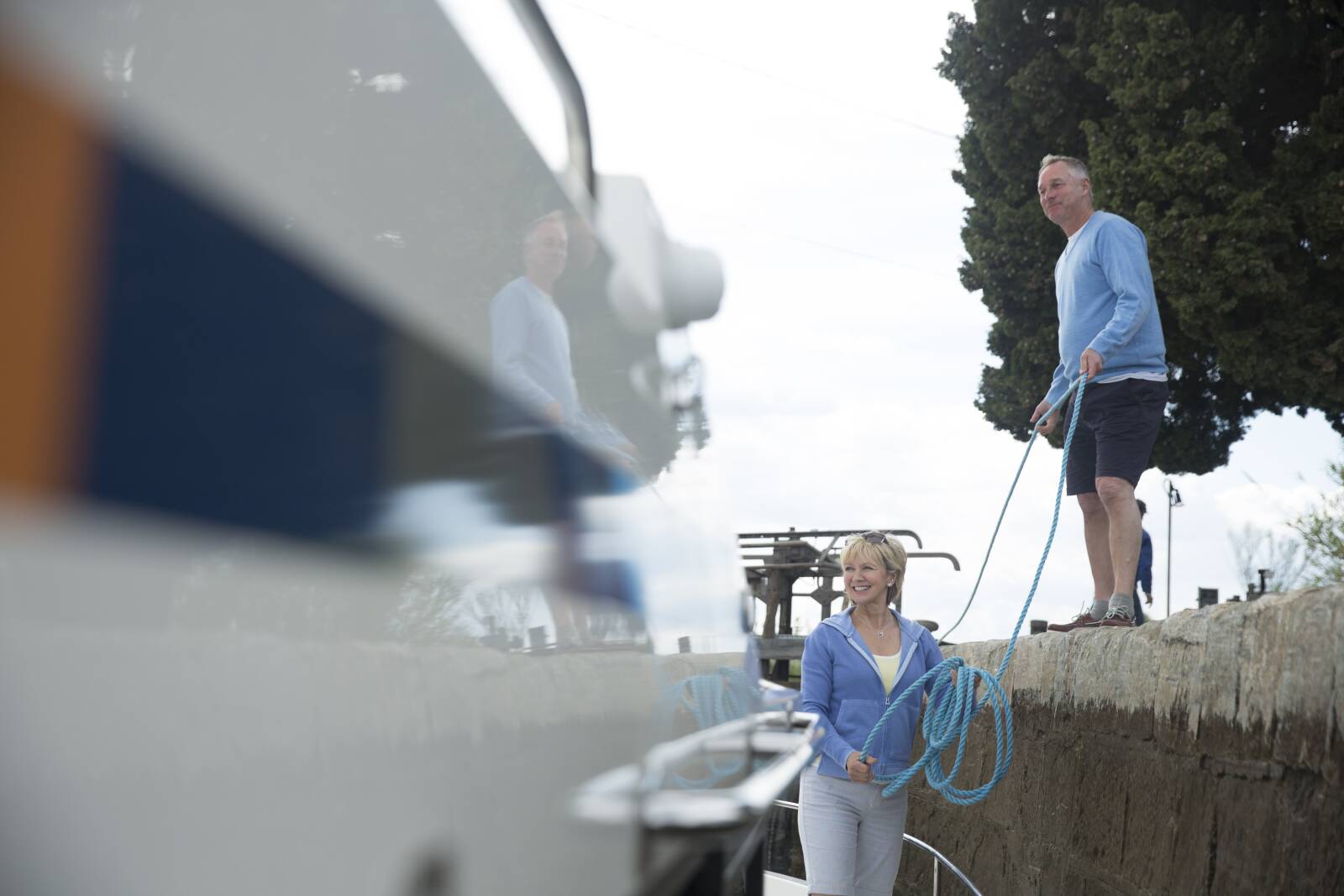
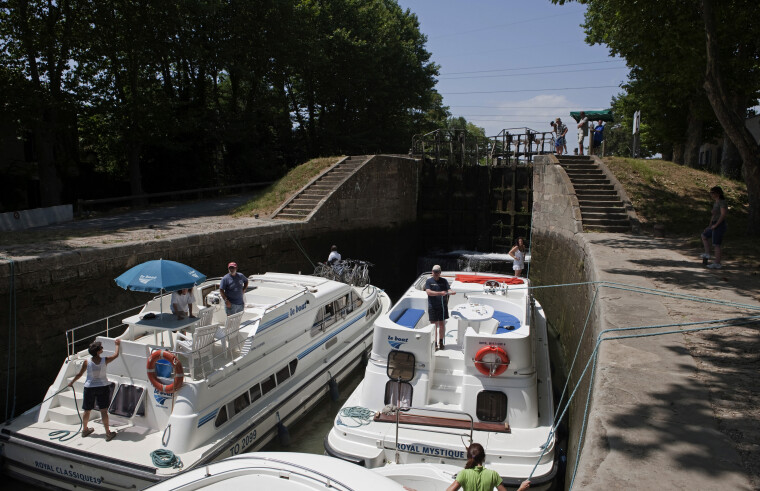
Locks are shared spaces where several boats may be waiting to pass. Prepare your mooring lines before arriving, allow boats to leave before entering and always follow the lock keeper's instructions when one is present. Well-organised crews make the process smoother for everyone.
Why should you respect other boats when mooring?
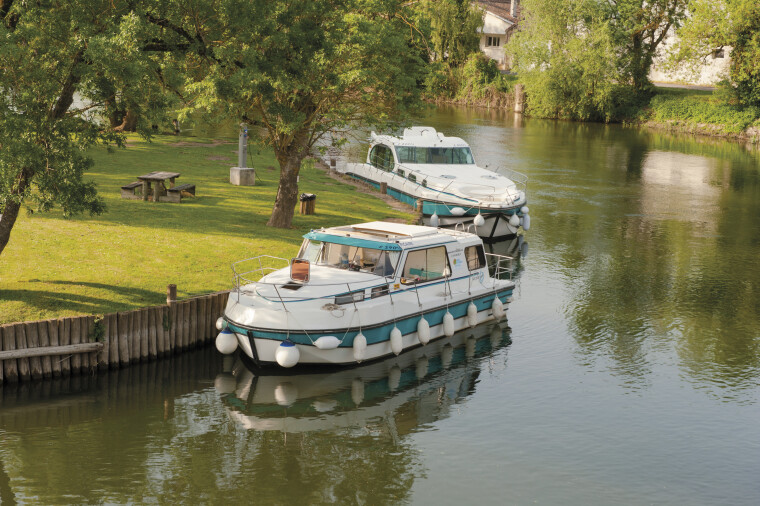
When you arrive at a marina or mooring, remember that you're sharing the space. Avoid taking up more room than necessary, leave enough space for others to manoeuvre and never walk across another boat without asking first. Just like at a campsite, everyone appreciates a little privacy.
Is it acceptable to make noise in the evening?
After a day on the water, most boaters enjoy a peaceful atmosphere. Loud music, noisy conversations or leaving the engine running late into the evening can disturb neighbouring crews and local residents. One of the greatest pleasures of river cruising is the tranquillity.
Why is it important to respect nature?
Many waterways pass through protected natural areas. Never throw rubbish into the water, use the recycling and waste facilities provided at marinas and take care not to disturb wildlife. If you're quiet, you may spot herons, kingfishers, swans or even beavers in some regions.
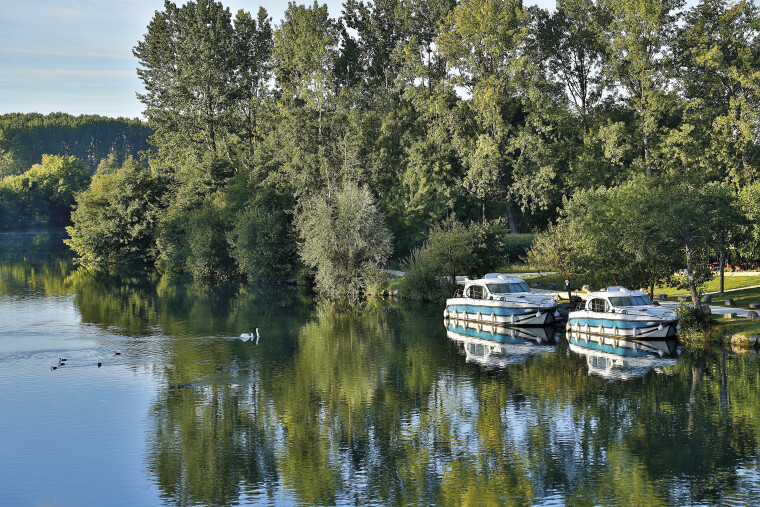
How should you moor your boat properly?
Always use authorised mooring areas whenever possible. Before leaving the boat, check that your ropes are secure while allowing enough flexibility if the water level changes. A properly moored boat keeps everyone safe and makes navigation easier for other crews.
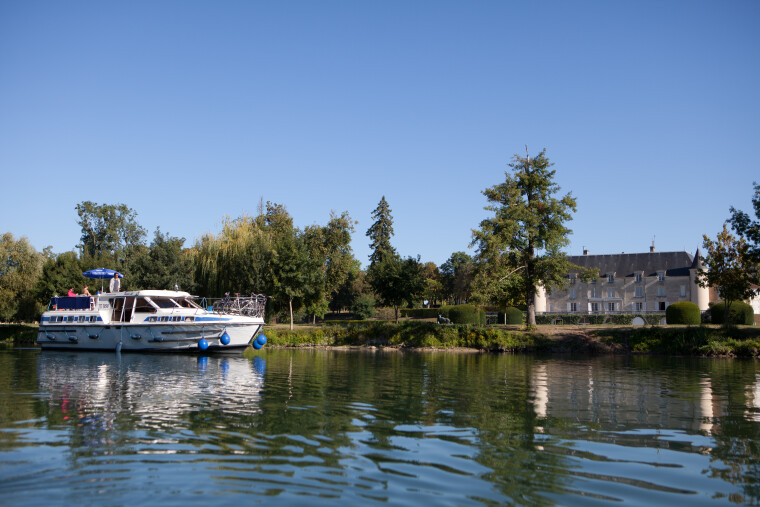
Why should you plan your manoeuvres in advance?
There's no need to rush on the waterways. Prepare your fenders, ropes and discuss each person's role before arriving at a lock or mooring. Good preparation usually leads to smooth manoeuvres.

How can you share stopovers with cyclists and walkers?
Towpaths are popular with cyclists, walkers and runners. When stepping ashore, make sure your bikes, ropes and equipment don't block the path. Respect goes both ways between everyone using the waterways.

Why is taking your time the best rule of all?
A river cruise isn't a race. Cruising slowly gives you time to enjoy the scenery, discover charming villages, meet other boaters and approach every manoeuvre with confidence. That's probably the most important rule of all for a successful houseboat holiday.
Our CrisBoat tip
Some of the best memories from a river cruise don't come only from the scenery, but from the people you meet along the way.
A smile, a helping hand at a lock or a short conversation on the quay often become the moments you'll remember long after your holiday ends.
➡️ Discover all our licence-free houseboat destinations in France:
FAQ - 10 Rules of Boating Etiquette for a River Cruise
Yes. Although it's not compulsory, waving or saying hello is a long-standing tradition on inland waterways and helps create the friendly atmosphere that river cruising is known for.
No. You should always use authorised mooring areas and follow any local navigation rules or restrictions.
Before entering a lock, prepare your ropes and follow the lock keeper's instructions whenever one is present. Even for first-time boaters, the process quickly becomes straightforward.
Because life on the waterways moves at a slower pace, making it easy for boaters to exchange advice, help one another and enjoy shared experiences along the journey.
Poursuivez votre lecture !
How Much Does a Licence-Free Houseboat Holiday Cost?
Which Licence-Free Houseboat Should You Choose: Sedan 1010 or Tarpon 32?